Cart 0
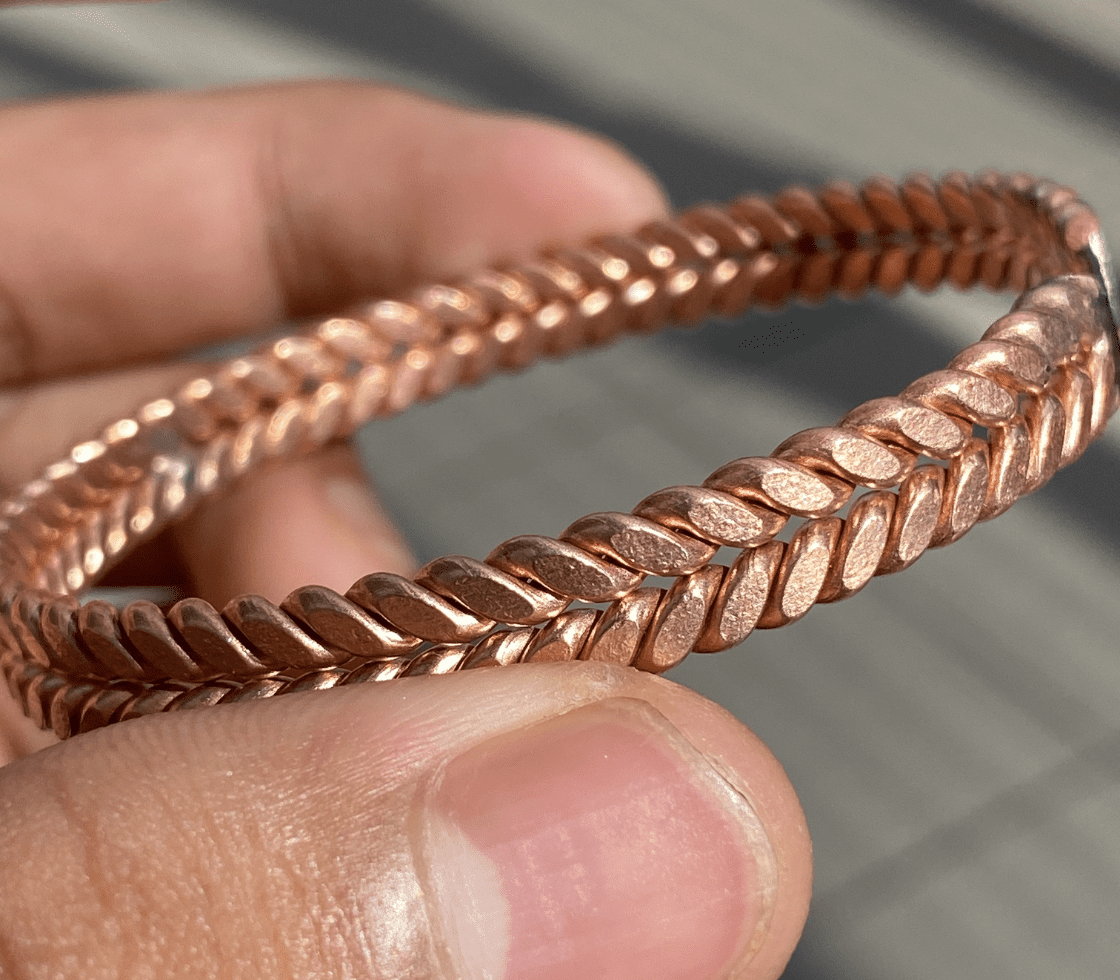
A tensor ring is a closed-loop structure made from copper wire that has been carefully measured, twisted, and joined into a continuous circular form. At its core, it is simple. A single piece of copper No beginning. No end. Just a complete loop.
Why the structure matters
Most objects around us are incomplete in form. They have ends, breaks, or interruptions. A tensor ring is different. It is fully continuous. The two ends are not just connected. They are unified to form a path without interruption. This creates a form of structural stability. Not by adding energy, but by removing discontinuity. When a structure is complete, it behaves differently. It holds. It stabilizes. It maintains. Because the structure is continuous, it allows a form of uninterrupted interaction within the material itself. That’s the principle behind a tensor ring.
Why copper is used
Copper is known for its ability to conduct and respond. It interacts easily with its environment. When shaped into a closed loop, copper becomes more than just material. It becomes a responsive structure. Not active like a powered device. Not inactive like a static object. It sits in a balanced state between the two. The copper is typically shaped and set through heat, allowing it to hold its final form with consistency.
The role of measurement (Cubit)
One key idea in tensor ring design is measurement.
This is often referred to as the Cubit.
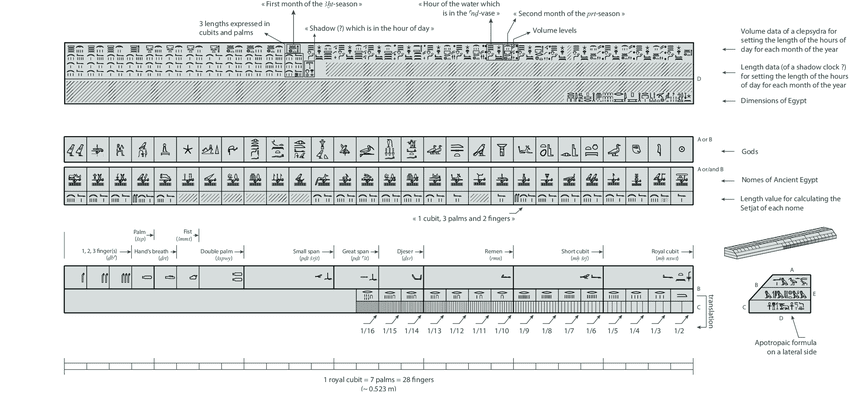
In general terms, a cubit is a specific length used as a reference for proportion and structure.
Within the tensor ring concept:
- the wire is cut based on a chosen cubit length
- the final shape follows that proportion
- the structure is formed with intention, not randomly
The exact values and variations can differ, but the principle remains the same:
Structure + proportion = consistency
This is not about complexity.
It’s about precision in something that looks simple.
The concept itself is often linked to traditional systems of measurement and geometry that have been explored over time.

The idea behind the “Tensor Field”
Within the tensor ring community, the term “tensor field” is often used to describe the effect of this structure.
Not as something mechanical or powered.
But as a result of:
- a continuous loop
- a conductive material
- a balanced proportion